Written by Alpha Investor Follow
Tesla Stock Forecast: The Impact of Robotaxis on TSLA Price
Tesla Stock Forecast: The Impact of Robotaxis on TSLA Price
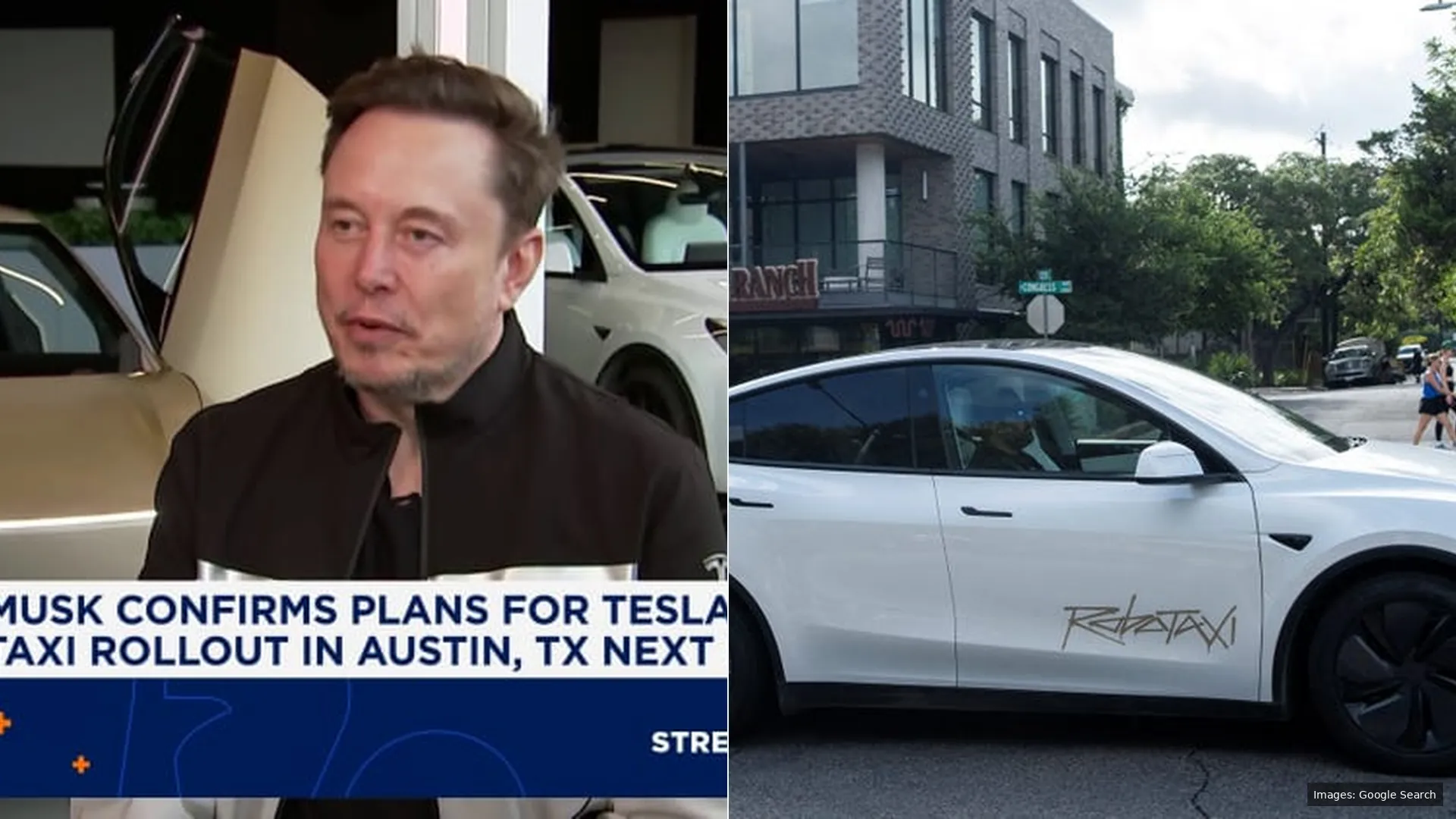
Get ready for the tesla robotaxi revolution! Imagine a world where your car drives itself, picking you up and dropping you off without a driver. This isn’t just a sci-fi dream; Tesla is working hard to make it real. Many people are wondering what this means for the tesla stock forecast.
Could these robotaxis change how we think about cars forever? And more importantly, how will they affect TSLA, the company’s stock price? Let’s explore this exciting future and its potential impact on your investment. We will look closely at what these robotaxis mean for tsla valuation.
What Exactly are Tesla Robotaxis?
A robotaxi is like a self-driving car that you can call with an app, just like a regular taxi. The big difference is that there’s no human driver inside. It uses advanced technology to navigate streets, avoid obstacles, and get you where you need to go safely.
Tesla plans to have a whole fleet of these cars operating without human drivers. This means you could hail a Tesla car that arrives on its own, ready for your ride. This idea is a huge part of the future of transportation.
These cars are meant to be available 24/7, offering rides whenever you need them. They could make getting around much easier and possibly cheaper too. Think of it as Uber, but with robots doing all the driving work.
How Does a Robotaxi Work?
Tesla’s robotaxis will use a special computer system called Full Self-Driving, or FSD. This system is like the car’s brain, constantly making decisions. It processes information from many cameras, sensors, and powerful computers.
The car uses these “eyes and ears” to understand its surroundings in real-time. It sees other cars, traffic lights, pedestrians, and road signs. All this data helps the car plan its route and drive safely.
This technology is what makes tesla fsd news so important. Every update and improvement brings Tesla closer to its robotaxi goal. It’s a complex system that learns and gets better over time.
Tesla’s Big Robotaxi Vision
Elon Musk, the head of Tesla, has been talking about robotaxis for many years. He believes that these self-driving cars will be a huge part of Tesla’s future business. His vision is ambitious and could completely transform transportation.
He sees millions of robotaxis driving around cities all over the world. These cars would be owned by Tesla or by individual Tesla owners who could rent them out through an app. This concept greatly impacts the tesla stock forecast fsd.
The idea is that your Tesla car could earn money for you when you’re not using it. It would drive itself to pick up passengers, making money while you’re at work or sleeping. This would be a game-changer for car ownership.
The Role of Full Self-Driving (FSD) in Robotaxis
Full Self-Driving (FSD) is the core technology that makes robotaxis possible. It’s the software package that allows a Tesla car to drive itself. Tesla has been developing FSD for years, constantly improving its capabilities.
This software is still in a beta stage, meaning it’s being tested and refined. Many Tesla owners are currently testing FSD on public roads. Their feedback helps Tesla make the system safer and more reliable.
For robotaxis to truly work, FSD needs to be extremely safe and reliable. It must be able to handle all kinds of driving situations without human help. This is why tesla fsd news is always a big topic among investors and fans.
The Economic Power of Robotaxis for TSLA
If Tesla’s robotaxi vision comes true, it could unlock a massive new revenue stream for the company. Think about it: every mile a robotaxi drives could generate money. This potential new business line is a key factor in the tesla stock forecast.
Currently, Tesla makes money by selling electric cars. With robotaxis, they could also make money from every ride, just like a taxi company. This changes the entire business model from just selling products to also selling services.
This shift could massively boost tsla valuation. Instead of being valued only as a car company, Tesla could also be valued as a transportation service company. This dual role makes the investment case much stronger in the eyes of many.
How Robotaxis Generate Revenue
There are a few ways robotaxis could make money for Tesla. First, Tesla could own and operate its own fleet of robotaxis. They would collect all the fares from passengers using these cars. This is a very exciting prospect for growth.
Second, individual Tesla owners who have FSD could lend their cars to the robotaxi network. Tesla would take a percentage of the earnings from these rides. This creates a shared economy model that benefits both Tesla and car owners.
Imagine your Tesla driving people around town while you’re not using it. It could effectively pay for itself and even make you money. This passive income opportunity is a significant part of the robotaxi dream.
The Potential for High Profit Margins
One of the most attractive aspects of robotaxis is the potential for very high-profit margins. Traditional taxi companies have high costs because they have to pay drivers. Robotaxis don’t need drivers. This significantly cuts operational expenses.
Without driver salaries, benefits, and training costs, the main expenses would be electricity, maintenance, and insurance. These are much lower than paying human drivers. This could mean much higher profits per ride.
This potential for huge profits is why robotaxis are so important for tsla valuation. If Tesla can achieve this, its profitability could skyrocket. This would naturally push the tesla stock forecast much higher.
The Challenges and Hurdles to Overcome
While the idea of robotaxis is exciting, there are many challenges that Tesla needs to overcome. It’s not as simple as flipping a switch and having cars drive themselves everywhere. These challenges are important to consider when thinking about the tesla stock forecast.
First, the technology itself needs to be perfectly reliable. A self-driving car cannot make mistakes that lead to accidents. Achieving this level of safety is incredibly difficult and requires endless testing and improvement. This is where tesla fsd news comes into play constantly.
Second, there are regulatory hurdles. Governments around the world need to approve self-driving cars for widespread use. Laws and regulations need to be created or updated to handle these new vehicles. This process can be slow and complex.
Regulatory and Legal Roadblocks
Every country and even every state might have different rules for self-driving cars. Tesla needs to get approval in many places, which takes time and effort. There are also questions about who is responsible if a self-driving car gets into an accident.
These legal questions are a big reason why robotaxis aren’t everywhere yet. Regulators need to be convinced that the technology is safe for everyone. This includes passengers, pedestrians, and other drivers on the road.
You can learn more about autonomous vehicle regulations from sources like the National Highway Traffic Safety Administration (NHTSA). Their guidelines often influence global standards.
Competition in the Autonomous Driving Space
Tesla isn’t the only company working on self-driving technology. Many other companies are also trying to create their own autonomous vehicles. This creates competition for market share and talent. These rivals are often referred to as autonomous driving stocks.
Companies like Waymo (owned by Google’s parent company, Alphabet) and Cruise (owned by General Motors) already have robotaxi services in limited areas. They have been operating for several years, gathering real-world data. These companies present strong competition for Tesla.
Other car manufacturers like Mercedes-Benz, BMW, and Volkswagen are also investing heavily in autonomous driving. This means Tesla needs to stay ahead with its technology and deployment. The race to full autonomy is fierce.
Technological Hurdles and Public Trust
Even with FSD, there are still difficult scenarios for autonomous cars. Bad weather, confusing road construction, or unexpected events can challenge the system. Tesla is constantly improving FSD to handle these situations better.
Another big hurdle is public trust. Many people are still hesitant to ride in a car without a driver. Tesla needs to build confidence in its technology. Seeing robotaxis operate safely and reliably will be key to gaining this trust.
The journey to widespread robotaxi adoption is long and complicated. It’s not just about the technology; it’s also about people, laws, and competition. This is why any tesla stock forecast must consider these challenges.
Impact on TSLA Valuation: Bull vs. Bear Case
The potential impact of robotaxis on tsla valuation is immense, leading to strong arguments from both optimists (bulls) and pessimists (bears). Understanding both sides helps you form a balanced view for the tesla stock forecast.
The Bull Case: Massive Growth and Dominance
Optimists believe that robotaxis will be a game-changer for Tesla. They see Tesla becoming not just a car company, but a dominant force in transportation and artificial intelligence. This would lead to a dramatic increase in tsla valuation.
They argue that if Tesla can deploy millions of robotaxis globally, its revenue and profits would skyrocket. The subscription model for FSD, combined with ride-hailing revenue, could make Tesla one of the most valuable companies in the world. This is a very exciting prospect.
Bulls often point to Elon Musk’s ambitious goals and Tesla’s track record of innovation. They believe Tesla’s data advantage from its existing fleet of cars gives it an edge over competitors. This is a key part of the tesla stock forecast fsd.
Bull Case Highlights:
- Trillions in Revenue: Robotaxi services could generate trillions of dollars annually, dwarfings current car sales.
- High Profit Margins: No driver costs means exceptional profitability.
- Software Dominance: FSD becomes a platform, licensed to other manufacturers or powering a vast network.
- First-Mover Advantage: Tesla’s large existing fleet of FSD-capable cars gives it a head start.
- Reduced Capital Expenditure: Individual owners contribute cars to the network, lowering Tesla’s upfront investment.
The Bear Case: Delays, Competition, and Execution Risk
Pessimists, or bears, are more cautious about the robotaxi future. They point to the significant challenges and potential delays. They argue that the promise of robotaxis has been pushed back many times already. This impacts the immediate tesla stock forecast.
Bears worry about the technical difficulties of achieving true full self-driving in all conditions. They also highlight the strong competition from other companies and the slow pace of regulatory approval. They question if Tesla can deliver on its ambitious promises.
They believe that tsla valuation is already too high based on future promises that might not materialize quickly. If robotaxis take much longer than expected, or if competitors gain significant market share, Tesla’s stock could face pressure.
Bear Case Highlights:
- Long Delays: The technology is harder than anticipated, leading to continuous postponements.
- Regulatory Bottlenecks: Governments are slow to approve and liability issues remain unclear.
- Intense Competition: Waymo, Cruise, and others are already operational and have strong financial backing.
- Public Acceptance: People might not trust driverless cars, slowing adoption.
- Execution Risk: Tesla has many projects; can it perfectly execute robotaxi deployment on a massive scale?
Comparing Tesla to Other Autonomous Driving Stocks
When you think about autonomous driving stocks, Tesla often comes to mind first. However, it’s important to remember that many other companies are also in this race. Understanding the landscape helps you gauge Tesla’s position.
Some companies, like Waymo and Cruise, are pure-play autonomous driving companies. They focus almost entirely on robotaxi services and self-driving tech. Others, like traditional automakers, are developing their own systems.
Tesla stands out because it sells millions of cars with FSD hardware already installed. This creates a massive data collection network. It also plans to integrate robotaxi services directly into its existing vehicle ecosystem.
Key Competitors and Their Approaches
- Waymo (Alphabet/Google): Operates fully driverless robotaxi services in Phoenix, San Francisco, and Los Angeles. They use a specific type of sensor called LiDAR, which Tesla does not. Waymo is known for its cautious and methodical approach. You can learn more about Waymo’s operations here.
- Cruise (General Motors): Also operates robotaxi services in select U.S. cities, though they have faced some operational challenges. Cruise also uses a mix of sensors, including LiDAR. They focus on urban environments.
- Mobileye (Intel): This company provides self-driving technology and chips to many traditional automakers. They are more of a supplier of the “brains” for autonomous cars rather than operating their own fleet.
- Traditional Automakers (e.g., Mercedes-Benz, Ford, GM): Many are investing heavily in Level 2 and Level 3 autonomous features for their consumer vehicles and also exploring robotaxi concepts, often through partnerships.
Tesla’s approach is unique because it relies primarily on cameras and AI (called “vision-only”). This means their hardware cost per vehicle is lower, making it potentially easier to scale. However, some critics argue that cameras alone might not be enough for full autonomy in all conditions. This difference is key to understanding tesla fsd news.
What Makes Tesla Different?
Tesla’s biggest advantage is its enormous fleet of vehicles already on the road. Every Tesla car with FSD hardware collects data, which helps improve the FSD software. This “data flywheel” is a powerful tool for AI training. This is a critical point when discussing the tesla stock forecast fsd.
Another difference is Tesla’s integrated ecosystem. They design their own chips (like the Dojo supercomputer), develop their own software, and build their own cars. This allows for tight integration and control over the entire system.
However, Tesla’s self-imposed deadlines and sometimes aggressive rollout of FSD beta have drawn scrutiny. The safety record and progress of its rivals are closely watched, and any setbacks for Tesla can impact tsla valuation.
Future Scenarios for Tesla Stock (TSLA)
The tesla stock forecast is heavily dependent on how the robotaxi future unfolds. There are several possible scenarios, each with a different impact on the company’s value.
Scenario 1: Robotaxis Succeed Quickly and Flawlessly
In this best-case scenario, Tesla achieves true Level 5 full self-driving sooner than expected. Regulatory hurdles are overcome relatively quickly, and public trust is established. Tesla deploys a large fleet of robotaxis globally.
Impact on TSLA: The stock price would likely surge dramatically. TSLA valuation would reach new heights, potentially making it one of the most valuable companies in the world. Revenue and profits from ride-hailing services would dwarf current car sales. Investors would see a massive return. The tesla stock forecast fsd would be extremely bullish.
Scenario 2: Robotaxis Face Delays and Gradual Rollout
This scenario is perhaps the most likely. Tesla continues to improve FSD, but achieving full autonomy for widespread robotaxi deployment takes longer than anticipated. Regulatory approvals are slow, and competition intensifies.
Impact on TSLA: The stock might see periods of volatility. While the long-term potential remains, repeated delays could frustrate investors and put pressure on the stock price. TSLA valuation would grow, but at a more measured pace. The market would cautiously await concrete evidence of mass deployment. This scenario often drives much of the day-to-day tesla fsd news sentiment.
Scenario 3: Competition Catches Up or Surpasses Tesla
In this scenario, other companies like Waymo or Cruise gain a significant lead in robotaxi deployment. They might achieve greater scale, better safety records, or more comprehensive regulatory approval in key markets.
Impact on TSLA: Tesla’s stock could face significant headwinds. If Tesla loses its perceived lead in autonomous driving, its future growth story weakens. TSLA valuation might be re-evaluated downwards, as its “AI advantage” diminishes. The tesla stock forecast would become more uncertain, dependent on other revenue streams.
Scenario 4: Regulatory Pushback or Unexpected Technical Roadblocks
This is a more pessimistic scenario. Significant safety incidents involving FSD or robotaxis lead to severe regulatory pushback. Governments might impose strict limitations or even temporary bans on autonomous vehicle operations. Or, an unforeseen technical challenge might prove extremely difficult to solve.
Impact on TSLA: This would be a major blow to Tesla’s robotaxi ambitions and its stock. TSLA valuation could fall sharply as the market re-prices the company without its most promising future revenue stream. The tesla stock forecast would turn bearish, and the company would need to pivot or significantly adjust its strategy.
Analyst Opinions and Projections for TSLA
Many financial analysts closely watch Tesla and regularly provide their tesla stock forecast. Their opinions often vary widely because the future of robotaxis is so uncertain. Some analysts are very bullish, expecting huge gains, while others are more cautious.
Those who are bullish often factor in a significant future value from robotaxis and FSD. They project that Tesla will capture a large portion of the ride-hailing market. These analysts often emphasize the recurring revenue model and high margins.
More conservative analysts focus on the current challenges. They might value Tesla primarily as an electric vehicle manufacturer, adding only a small or no premium for robotaxis until they are fully operational and profitable. They look closely at tesla fsd news for any signs of delays.
A Look at Valuation Metrics
When analysts talk about tsla valuation, they look at many numbers. For a traditional car company, they might look at how many cars are sold and how much profit is made per car. But for Tesla, they also consider future services.
For robotaxis, analysts might try to estimate how many rides could happen per day, what the average fare might be, and what Tesla’s profit margin would be per ride. This involves making many assumptions about a future that doesn’t fully exist yet.
This makes the tesla stock forecast very sensitive to any updates about FSD progress. Every bit of tesla fsd news can cause analysts to adjust their models and price targets.
Example of Analyst Sentiment (Hypothetical Snippet)
“While Tesla’s core EV business remains strong, the true upside for TSLA valuation lies in its autonomous driving capabilities. Our tesla stock forecast includes a significant contribution from robotaxis by 2030, assuming a successful deployment of FSD beyond Level 3 autonomy. However, we remain cautious on the timeline, as regulatory hurdles and competition from other autonomous driving stocks could delay full market penetration.” - [Hypothetical Analyst Firm, e.g., “TechInvest Global”]
This snippet shows how analysts balance current performance with future potential. They are excited about the robotaxi revolution but also aware of the difficulties involved.
Risks Beyond Robotaxis
While robotaxis are a huge part of Tesla’s future, they are not the only factor affecting the tesla stock forecast. Many other things can impact TSLA’s price, and you should be aware of them.
Competition in the Electric Vehicle Market
Tesla was once almost alone in the electric car market. Now, almost every major car company is making electric vehicles. Ford, GM, Volkswagen, Hyundai, and many others have compelling EVs. This increased competition can put pressure on Tesla’s market share and profit margins.
You can often see comparisons of electric vehicle sales and ranges from various sources, such as EV-Volumes.com. This competition in the core EV business is always a factor in tsla valuation.
Global Economic Conditions
The broader economy always affects stock prices. If there’s an economic recession, people might buy fewer new cars, including Teslas. Interest rates, inflation, and consumer confidence all play a role in how much people spend.
A strong economy generally helps companies like Tesla, while a weak economy can hurt them. This is a risk that affects almost all companies, not just Tesla. It’s a general factor in any tesla stock forecast.
Elon Musk’s Influence
Elon Musk is a visionary leader, but his actions and statements also have a big impact on Tesla’s stock. His involvement with other companies like SpaceX and X (formerly Twitter) can sometimes distract from Tesla’s core mission.
Investors often react strongly to his tweets and public appearances. While his charisma is a strength, it also introduces a unique level of risk and volatility to tsla valuation.
Supply Chain Issues and Raw Material Costs
Building cars requires many parts and raw materials, like lithium for batteries. If there are disruptions in the supply chain or if the cost of these materials goes up, it can affect Tesla’s production and profitability. The global supply chain has been a challenge for many industries recently.
Conclusion: The Road Ahead for TSLA and Robotaxis
The tesla robotaxi revolution has the potential to fundamentally change the tesla stock forecast and tsla valuation. If Tesla successfully deploys a vast network of autonomous vehicles, it could unlock unprecedented growth and profitability for the company. The promise of recurring revenue and high-profit margins from a driverless fleet is incredibly compelling for investors. This future is heavily tied to the progress of tesla fsd news.
However, the path to this future is filled with significant challenges. The technology must be perfected, regulatory hurdles must be cleared, and intense competition from other autonomous driving stocks must be navigated. The timeline for achieving widespread robotaxi deployment remains uncertain, and any delays could temper investor enthusiasm. The tesla stock forecast fsd is thus a complex calculation of ambition versus reality.
For you as an observer or potential investor, understanding these factors is crucial. Keep a close eye on tesla fsd news, regulatory developments, and the progress of competitors. The journey of Tesla’s robotaxis will be one of the most exciting stories in the coming years, and its outcome will undoubtedly shape the future of transportation and TSLA’s place within it.
Frequently Asked Questions (FAQ)
H3: What is the main idea behind Tesla Robotaxis?
Tesla Robotaxis are self-driving cars that you can call with an app, just like a regular taxi, but without a human driver. Tesla plans to have a network of these cars that can pick up passengers and generate revenue, much like a ride-sharing service. This concept is a core part of the tesla stock forecast.
H3: How will robotaxis affect the Tesla stock forecast?
If robotaxis are successful, they could massively boost Tesla’s revenue and profits, potentially leading to a significant increase in its stock price. This is because robotaxis could create a new, highly profitable business model beyond just selling cars. This future potential is a key part of tsla valuation.
H3: What is Full Self-Driving (FSD) and why is it important for robotaxis?
Full Self-Driving (FSD) is Tesla’s advanced software system that allows its cars to drive themselves. It’s the “brain” that enables robotaxis to navigate and operate without a human driver. FSD needs to be extremely reliable for robotaxis to work safely and effectively. Tesla FSD news is always a major topic because of this.
H3: Are there other companies working on autonomous driving besides Tesla?
Yes, many companies are developing autonomous driving technology. Key competitors include Waymo (from Alphabet/Google), Cruise (from General Motors), and Mobileye (from Intel). Many traditional automakers are also investing heavily in their own self-driving systems. These are often referred to as autonomous driving stocks.
H3: What are the biggest challenges for Tesla to launch robotaxis?
The biggest challenges include perfecting the FSD technology to be safe in all situations, getting regulatory approval from governments worldwide, and facing strong competition. Public trust in driverless cars also needs to be built. These challenges significantly influence the tesla stock forecast fsd.
H3: When does Elon Musk say robotaxis will be ready?
Elon Musk has given various timelines over the years, often being very optimistic. While he initially projected robotaxis would be ready much earlier, the technology and regulatory hurdles have proven complex. Tesla continues to work towards this goal, and you should always check the latest tesla fsd news for updates on specific timelines.
H3: How could robotaxis change the way we own cars?
If robotaxis become widespread, you might not need to own a car for everyday transportation. You could simply hail a robotaxi whenever you need a ride. Additionally, if you own a Tesla with FSD, it might be able to earn money for you by operating as a robotaxi when you’re not using it. This is a revolutionary idea for tsla valuation.
H3: Is investing in Tesla stock purely based on robotaxis risky?
Investing in Tesla carries risks, like any stock. While robotaxis offer huge potential upside, relying solely on their success can be risky due to the uncertainties involved. Factors like competition, regulatory delays, and technological hurdles could impact the timeline and profitability. It’s important to consider all aspects of the tesla stock forecast.
💬 Join the Discussion
Share your analysis with fellow Alpha Investors!